Edith Windsor married her partner and changed federal marriage law
After the government refused to recognize her 40-year partnership, Edith Windsor took her case to the Supreme Court and won.
Edith Windsor married her partner of 40 years. But the government refused to recognize their marriage.
Taking the fight to the Supreme Court
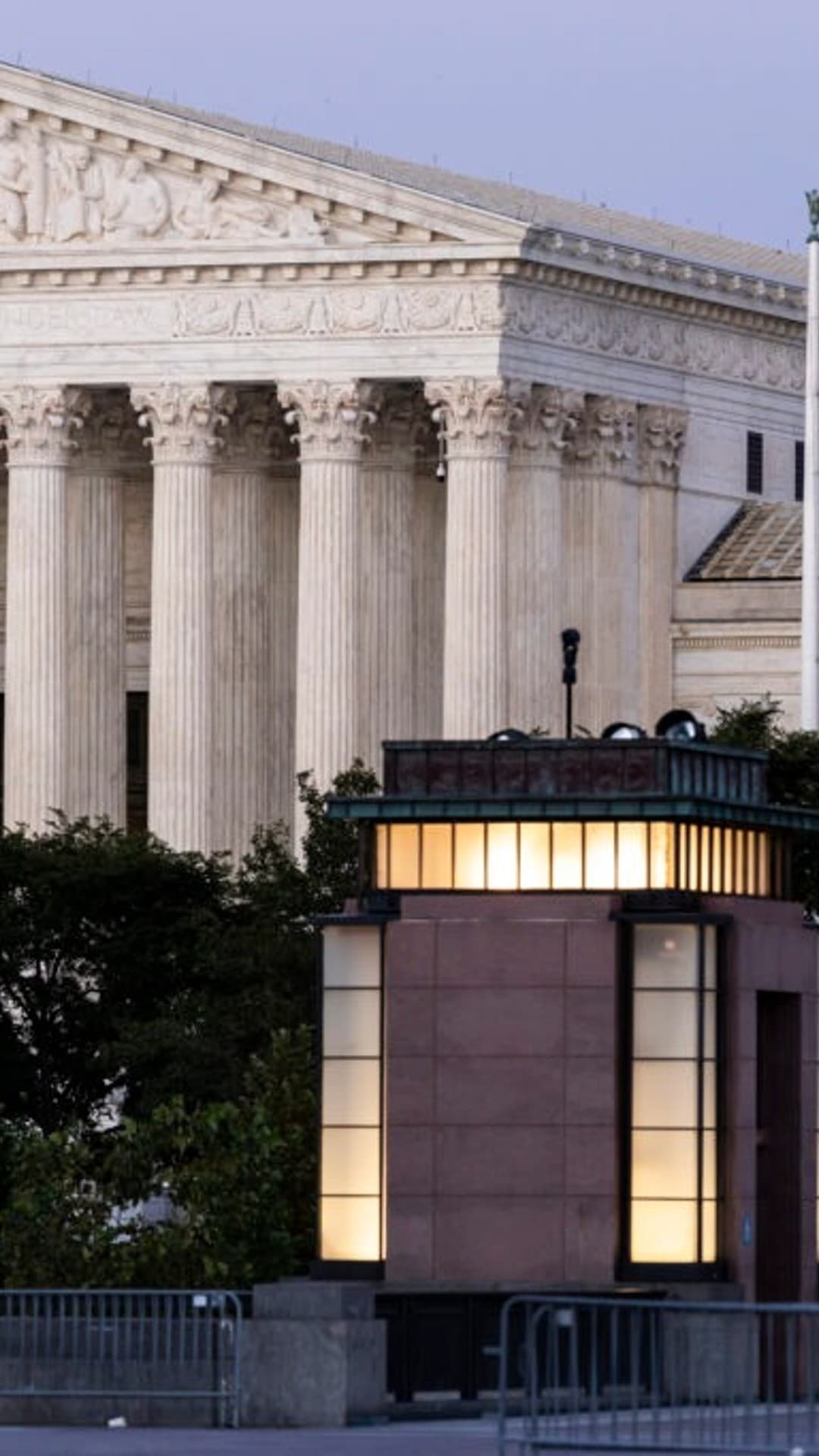
So Edith took her case to the Supreme Court.
In 2013, the Court struck down part of DOMA. Her marriage finally counted under federal law.
A symbol of equality
Edith became a symbol of marriage equality.
Her legal victory meant that same-sex marriages would be recognized by the federal government, ending a policy that had treated couples like Windsor and her partner as legal strangers. The case challenged the Defense of Marriage Act, which had defined marriage as between one man and one woman for federal purposes.
Windsor's lawsuit began as a personal matter but grew into a landmark civil rights case. When the Supreme Court ruled in her favor, it marked a turning point in the fight for marriage equality across the United States. The decision validated not just Windsor's relationship, but countless other same-sex couples who had been denied federal benefits and recognition.